







Search Results for: Coffee Triangle Mark
From Uncle Juan to the Triangular Mark: Colombian Coffee Origin Stories and Blended Bean Flavor Analysis
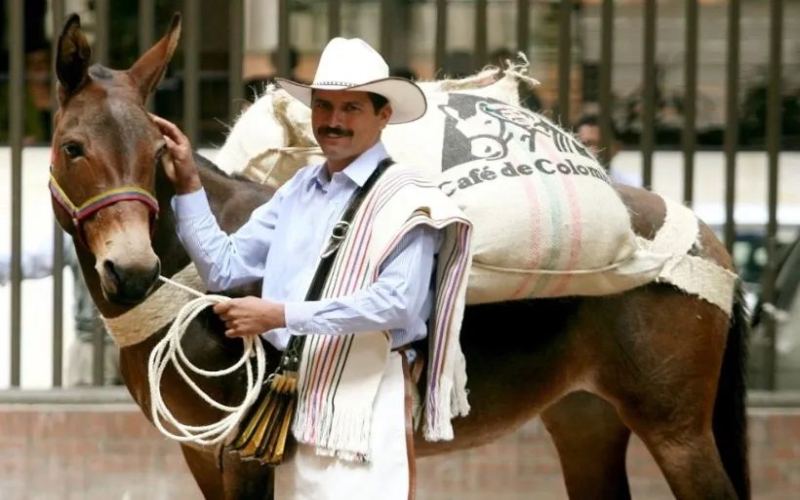
Colombian coffee occupies an important place in the global specialty coffee landscape, and when it comes to Colombia, many people first think of "Juan Valdez," the man leading a mule. This fictional character, launched in 1959 by the National Federation of Coffee Growers of Colombia (FNC), carries behind it the real stories of more than half a million coffee farmers and the rugged terroir of the Andes. This article will walk you through the origins of Juan Valdez and his mule Conchita, the meaning of the Colombian coffee triangle logo, and the aromatic performance of Colombian coffee in blends. It will also recommend a Colombian-Brazilian blend from Front Street Coffee for coffee lovers to reference and taste. [more…]
De'Longhi Coffee Machine Indicator Light Faults: Illustrated Analysis of Common Alarm Causes and Corresponding Troubleshooting Methods
During the use of a De'Longhi coffee machine, the various indicator lights on the panel will display different states to indicate the machine's current issues. This article uses diagrams to explain one by one the meanings of the water shortage light flashing and staying on, the coffee grounds container indicator light flashing and staying on, the extractor abnormality represented by the triangular exclamation mark indicator light, and the excessive bean amount issue when the grounds container and exclamation mark flash simultaneously. It also introduces the meanings of the display icons on mid-to-high-end models, including water shortage, bean shortage, full grounds container, and descaling prompts. If the problem still cannot be resolved after troubleshooting step by step, it is recommended to contact a professional repair technician. We hope this is helpful to friends who are currently using De'Longhi coffee machines. [more…]
The Legendary Embodiment of Colombian Coffee: How Juan Valdez and His Mule Shaped the Benchmark for Origin Coffee
For friends who love Colombian coffee, the image of a coffee farmer leading a mule is surely familiar—Juan Valdez, known to everyone as "Don Juan." He was actually a fictional spokesperson created by the National Federation of Coffee Growers of Colombia in 1959, yet he became a globally recognized symbol of coffee. From the rugged transport routes of the Andes, to the marketing miracle that changed American consumers' perceptions, and now to Juan Valdez cafés in countries around the world, Don Juan's story traces Colombia's path to coffee modernization. This article will introduce you to his origins, the symbolic meaning of his mule Conchita, the story behind the classic triangular logo, and his profound influence on the promotion of single-origin coffee. [more…]
The Phenomenon of Symbolic Logos in Coffee Brands: From Punctuation Marks to Mathematical Constants, Why Minimalist Design Clusters Around Black-and-White Symbols
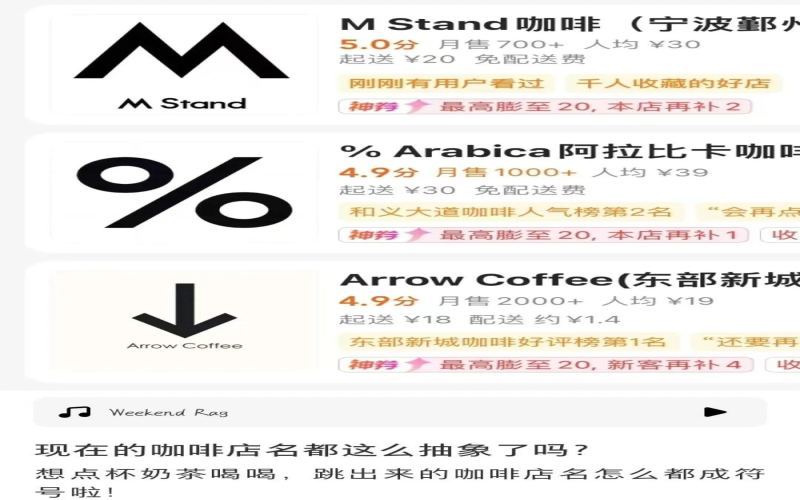
Open a food delivery app and search for coffee shops, and you're greeted by a flood of abstract symbols in black on white, making you wonder: how are these shop names even pronounced? Some netizens have discovered that by simply taking punctuation marks and mathematical symbols from a keyboard, bolding them, and putting them on a white background, you can mass-produce brand logos. The comments section is full of people sharing images confirming this, with commas, question marks, double quotation marks, multiplication signs, the mathematical constant π, the infinity symbol ∞, and even the # and * on a phone's dial pad all becoming visual identifiers for coffee brands. This trend of minimalist black-and-white symbols, represented by %Arabica and Mstand, is it a form of individual expression or a case of blindly imitating what others do? When consumers can't even name the symbols, how are brands supposed to be remembered? [more…]
What exactly is the difference between cupping and triangle testing? A comprehensive analysis from origins and standard procedures to sensory testing
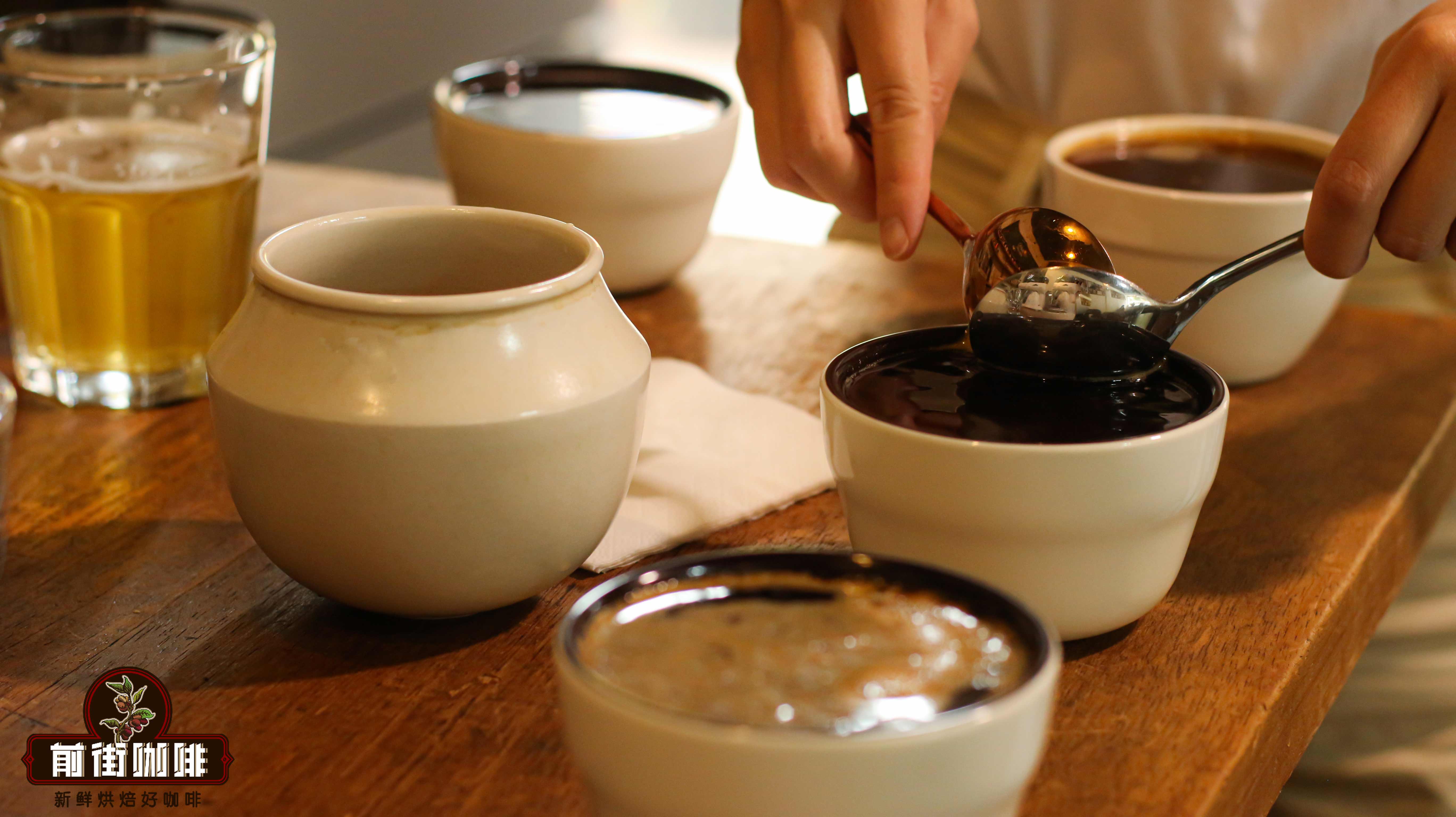
Cupping is a common method used in the coffee industry to evaluate bean quality, but why not use pour-over instead? This question takes us back to the origins of cupping. Cupping originated in the 1980s in the American coffee trade; in order to quickly, conveniently, and with minimal human intervention test large batches of coffee beans, immersion extraction came into being. Today cupping is widely used in competitions, appraisal, and research. This article will introduce in detail the standard parameters and complete process of cupping, including grinding, pouring water, breaking the crust, skimming, and tasting, and will also explain the definition of triangle cupping and how it differs from regular cupping. Front Street Coffee will also share a method for easily doing cupping at home to help you improve your tasting ability. [more…]
A Complete Analysis of Colombian Coffee Regions, Flavors, and Variety Grading: From the MAM Golden Triangle to Huila and Cauca
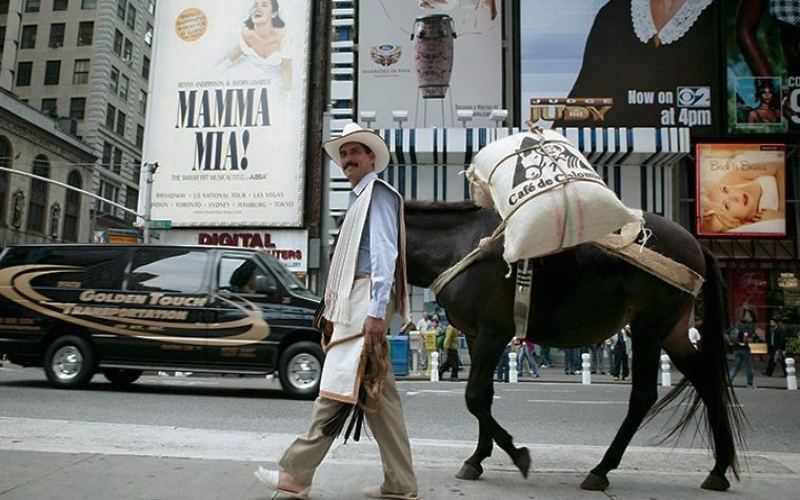
Colombia, with the advantageous terrain of the Andes Mountains and diverse climates, has become one of the world's most important producers of quality coffee. From the classic MAM Coffee Triangle to Santander in the north and Huila and Cauca in the south, each region presents a distinctly different flavor profile due to differences in altitude, temperature variation, and microclimate. This article systematically reviews the terroir characteristics of Colombia's main coffee-producing regions, the origins and performance of six major cultivated varieties, green bean grading standards, and the effects of processing methods such as washed, anaerobic natural, and anaerobic enzyme-washed on flavor. It also combines Front Street Coffee's bean list products such as Rose Valley, Huila everyday beans, and Huayueye to provide specific brewing parameters and flavor descriptions, helping coffee enthusiasts fully understand the diverse charm of Colombian coffee. [more…]
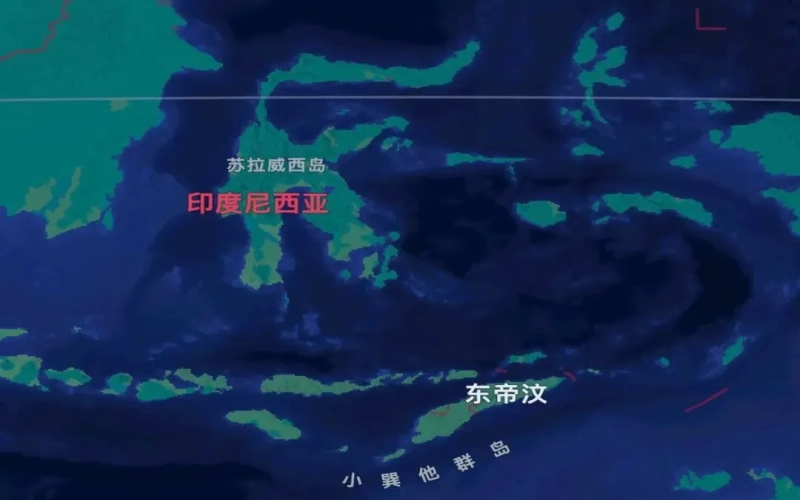
A Complete Guide to Timor-Leste's Coffee Regions: Geography, Main Producing Areas, and the Origins of the Tim Tim Hybrid
Although Timor-Leste is a small country, it holds a place in Asia's coffee landscape. Located at the eastern end of the Nusa Tenggara archipelago, this nation has high-altitude mountains, volcanic soil, and abundant rainfall, providing exceptional natural conditions for coffee cultivation. Timor-Leste coffee is predominantly organically grown, with almost no use of chemicals, and its production areas are concentrated in Ermera, Manufahi, and other regions, with Ermera accounting for half of the national output. In terms of varieties, Hibrido de Timor, a natural hybrid of Arabica and Robusta, combines Arabica's quality with Robusta's disease resistance, and later gave rise to widely planted varieties such as Catimor. This article will take you deeper into the production regions and variety lineage of Timor-Leste coffee. [more…]
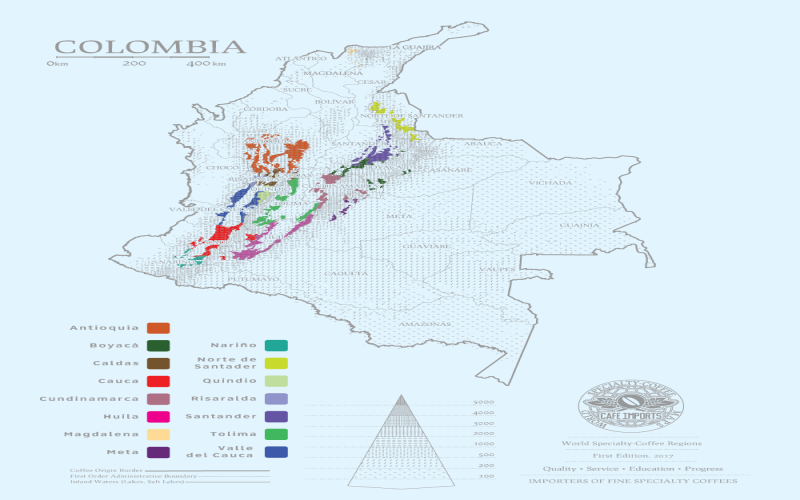
Why Has Colombia's Huila Region Become a Hot Source for Specialty Coffee? A Comprehensive Analysis from Terroir to Flavor
Colombia, as the world's third-largest coffee-producing country, has 15 coffee regions, among which Huila has attracted considerable attention in the specialty coffee market in recent years. Huila is located in the valley between the eastern and central mountain ranges, with volcanic soil, a mild climate, and abundant water resources. Coffee is grown at altitudes above 1,500 meters, producing coffee with consistent quality and full-bodied flavor. From an obscure agricultural area to the axis of the new coffee triangle, Huila has repeatedly won COE awards thanks to its high yield and excellent quality, winning consumers over with nutty, chocolate, and caramel flavors and pleasant fruit acidity. Front Street Coffee's daily drinking bean series also includes a washed Caturra from this region, presenting notes of dark chocolate and caramel. [more…]
An Analysis of the Differences Between Americano, Long Black, and Lungo Coffee: What Espresso Beans Should Be Chosen for Making Americano?
In coffee shops, Americano, Long Black, and Lungo are often lumped together, but the three have essential differences in extraction method and taste performance. From the perspective of Front Street, this article sorts out the historical origins and brewing evolution of the Americano, compares the unique cup-order handling of the Long Black, and reexamines the definition of Lungo with the help of extraction yield theory. At the same time, the article also explores why espresso beans are mainly blends, analyzing the impossible triangle of price, stability, and flavor composition, helping coffee lovers understand these three black coffees more clearly and providing bean selection ideas for making Americano in daily life. [more…]
Colombian Coffee Regions and Specialty Bean Grading: A Flavor Analysis from Medellín to Nariño
Colombian coffee is renowned worldwide for its balanced, smooth taste and rich aroma, with the three cities of Medellín, Armenia, and Manizales together forming the famous "Coffee Triangle." For Front Street Coffee's Colombian offerings, the Medellín growing region is the top recommendation, with plump beans, moderate acidity, and excellent balance. Colombian coffee beans are mostly Coffea arabica, hand-picked and washed-processed, and after medium roasting they present a light, silky flavor, earning them the title "green gold." This article will walk you through Colombian coffee's varieties and grades, its main growing regions, and Front Street's recommendations, and will explain the difference between Supremo and Excelso, as well as the Narino Supremo coffee beans exclusively purchased by Starbucks. [more…]
Analysis of Differences Between Colombian and Brazilian Coffee Origins and Introduction of New Honey-Processed Geisha from Hacienda La Esperanza
Although Brazil and Colombia, the two major coffee-producing countries in South America, are geographically adjacent, their differences in growing environment, estate models, altitude, and climate give rise to distinctly different coffee flavors. Brazil is dominated by flat plateaus and large-scale mechanical harvesting, producing coffee with low acidity and prominent nutty, chocolatey notes, often used in blends; Colombia, by contrast, relies on the high altitudes, volcanic soils, and diverse microclimates of the Andes to develop a richer specialty coffee scene, mainly based on small estate cultivation. This article will compare the similarities and differences between the coffees of the two countries in detail from the perspectives of history, environment, producing regions, and processing methods, and introduce Front Street Coffee's newly listed La Esperanza Estate honey-processed Geisha, offering a taste exploration from the classic to the refined. [more…]
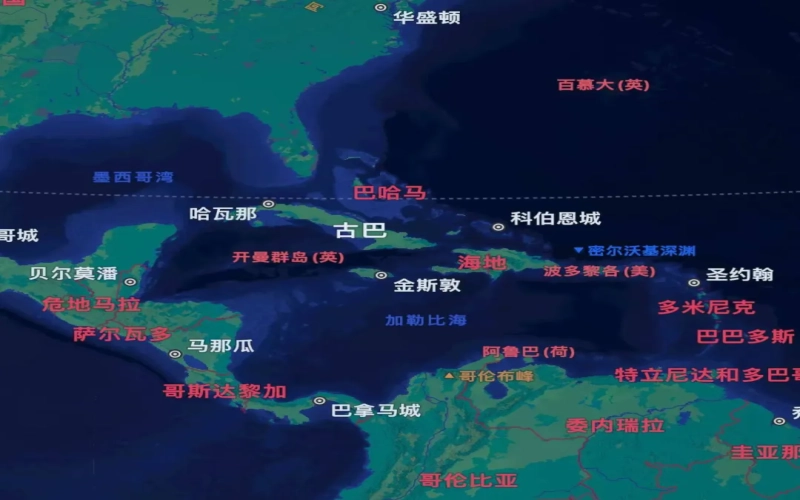
A Complete Guide to Cuban Coffee Regions: Island Terroir, Varietal Characteristics, and the Crystal Mountain Grading System
The Caribbean region is home to numerous islands suitable for coffee cultivation, and Cuba is one of the producing countries that cannot be overlooked. This island nation, called "fertile land" in the Taíno language, relies on its tropical savanna climate, abundant rainfall, and fertile soil to cultivate distinctive coffee on hillsides and in valleys at elevations of 1,000 to 1,900 meters. Cuba mainly grows Typica, along with varieties such as Bourbon, Caturra, and Catimor, with the harvest period lasting from September each year to March of the following year. Among these, Crystal Mountain coffee has attracted much attention because its flavor is close to Jamaica Blue Mountain, and it is even regarded by the Japanese market as a top-grade variety. Through this article, Front Street Coffee will guide you through the distribution of Cuba's coffee-producing regions, its variety structure, and the nine-grade classification system from Crystal Mountain to Peaberry, fully presenting the coffee profile of this Caribbean island nation. [more…]

Manner Coffee and Lianjia Cross-Industry Jointly Open a Shared Store: Is Selling Coffee in a Real Estate Agency a Good Business?
Recently, a netizen in Shanghai discovered that a Manner Coffee had actually opened inside a Lianjia store, with the two brands sharing the same signboard—white and green each taking up half. Upon entering, one could see both Manner's inverted triangle logo and Lianjia's property listing boards. Was this Manner's attempt to expand into community channels, or had Lianjia taken a stake in the coffee brand? The answer was finally revealed when Lianjia's official WeChat account posted on April 7 confirming the official opening of this shared store at No. 184, Lane 100, Zhongtan Road. Manner has always chosen locations in core business districts or areas with dense office buildings. This time, moving its counter into a community and sharing space with a real estate agency has sparked quite a bit of discussion. Some are looking forward to it, some are joking about it, and others question whether the two consumption scenarios can truly integrate. This article takes you through the ins and outs of this cross-industry collaboration. [more…]
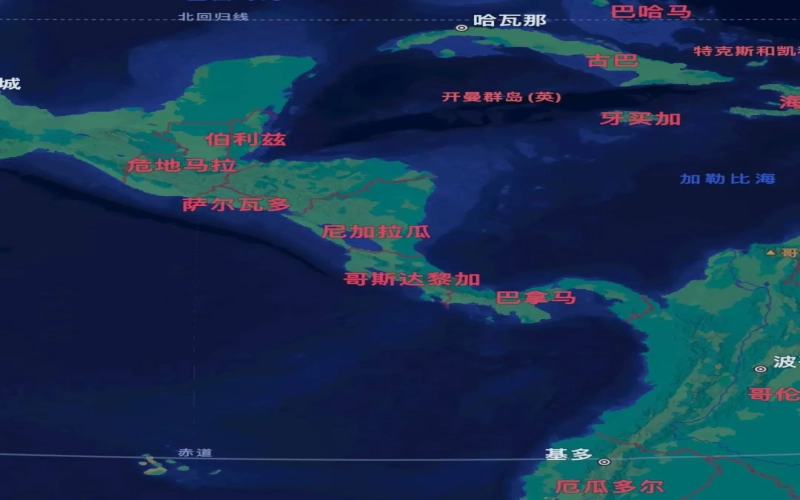
A Complete Guide to Nicaraguan Coffee: Terroir Conditions, Cultivated Varieties, and Grading Systems of the Three Major Regions
Located in the central part of Central America, Nicaragua may not be as famous as Panama or Costa Rica, yet it possesses coffee-growing terroir that is in no way inferior. The country's north-central highlands, eastern coastal plains, and western coastal lowlands form diverse microclimates, nurturing three core producing regions: Jinotega, Matagalpa, and Nueva Segovia, with Caturra and Bourbon as the main cultivated varieties. This article will systematically outline Nicaragua's geographical and climatic characteristics, the elevation and harvest details of each producing region, and introduce its coffee grading system, helping coffee enthusiasts gain a comprehensive understanding of the coffee landscape of this promising Central American origin country. [more…]
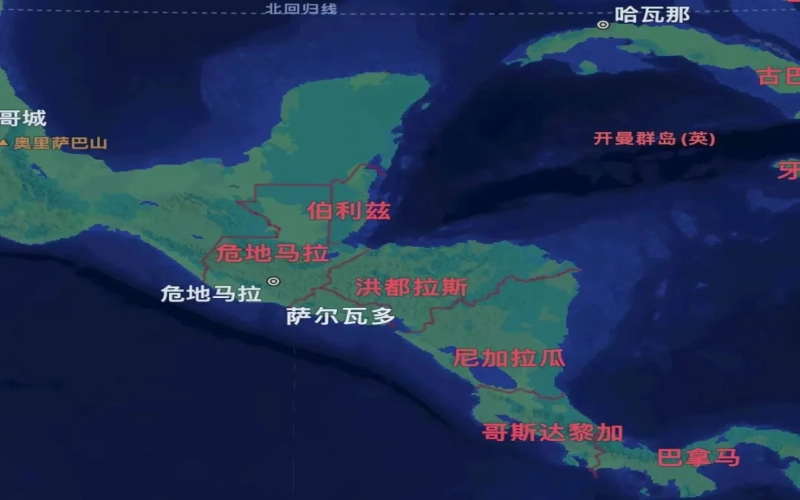
A Complete Analysis of El Salvador's Coffee Regions: The Flavor Codes of the Pacas and Pacamara Varieties
Although El Salvador is one of the smallest countries in Central America by land area and its coffee production is less than that of its neighbors, its volcanic soil, Pacific sea breezes, and high-altitude mountains give rise to specialty coffees with diverse flavors. This article will guide you through El Salvador's geographical and climatic conditions, the distribution of its main coffee-producing regions, and the origins and characteristics of two highly representative varieties—Pacas and Pacamara. Whether you are a coffee enthusiast just getting started or a seasoned connoisseur looking for your next bag of beans, you will gain practical knowledge about this producing region. [more…]
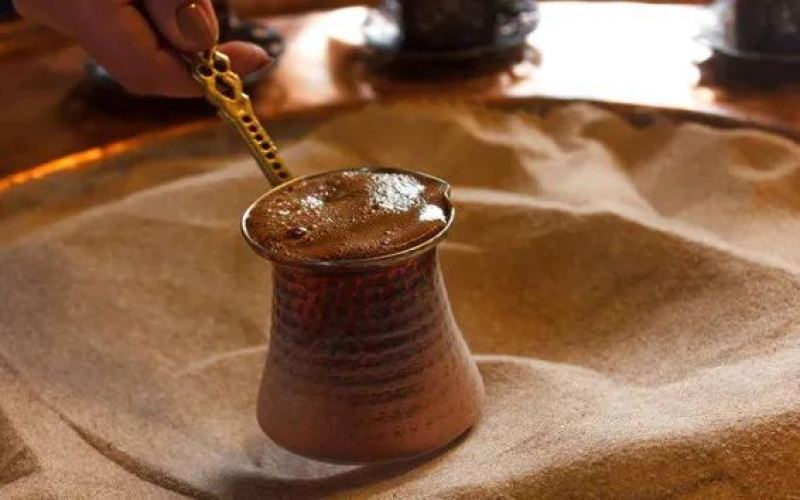
Why Isn't Turkish Coffee Filtered? A Complete Guide to the Meanings of Fortune-Telling Patterns and Their Cultural Origins
Turkish coffee is famous for its unique brewing method and rich cultural flavor. It does not use filter paper; it is drunk together with the grounds and liquid, and is made by repeatedly boiling three times in hot sand. Passed down from the Ottoman Empire to the present day, this coffee is not only a beverage but also carries the tradition of fortune-telling. This article will guide you through the historical origins, brewing principles, and steps of Turkish coffee, and provide a detailed analysis of the meanings of common patterns in coffee ground fortune-telling, such as the full moon, half moon, heart shape, and ring, allowing you to fully appreciate the charm of this ancient coffee culture. [more…]
Analysis of Flavor Differences Between Colombian and Brazilian Coffee Beans: Growing Regions, Grading Characteristics, and Taste Comparison
Colombia and Brazil are both pillars of the Central and South American coffee-growing regions, yet the two countries differ considerably in their growing conditions, flavor profiles, and market positioning. Colombia, with its dual ocean ports on the Atlantic and Pacific, its three Cordillera mountain ranges creating microclimates, and its high-altitude volcanic ash soils, produces Arabica coffees with bright acidity and refined flavors. Brazil, by contrast, with its flat terrain, lower elevations, and Bourbon varieties as its foundation, offers a balanced cup with notes of nuts and chocolate and a heavy body. This article systematically compares the differences between the coffee beans of the two countries from the perspectives of growing region distribution, cultivation environment, varieties and processing, and cupping flavors, and concludes with specific bean recommendations from Front Street Coffee. [more…]
Caffè Florian: A Three-Century Italian Coffee Legend from Venice's St. Mark's Square to the World
In St. Mark's Square in Venice, there is a café that spans nearly three centuries—Caffè Florian. Since its founding in 1720, it has not only been Italy's oldest coffee house but also an important witness to European culture and art. From Goethe and Byron to Andy Warhol, countless celebrities have left their footprints here; from the birth of the Venice Biennale to the tradition of live European-style orchestral music, Caffè Florian has always been closely connected with art. In 2015, it entered Asia for the first time, settling in Shinkong Place in Suzhou, presenting 295 years of Italian coffee culture to Eastern customers in its authentic form. This article will take you to explore the origins of Caffè Florian, anecdotes about famous figures, its musical traditions, and its global branch layout, and to experience the charm of coffee that has been cultivated over three centuries. [more…]
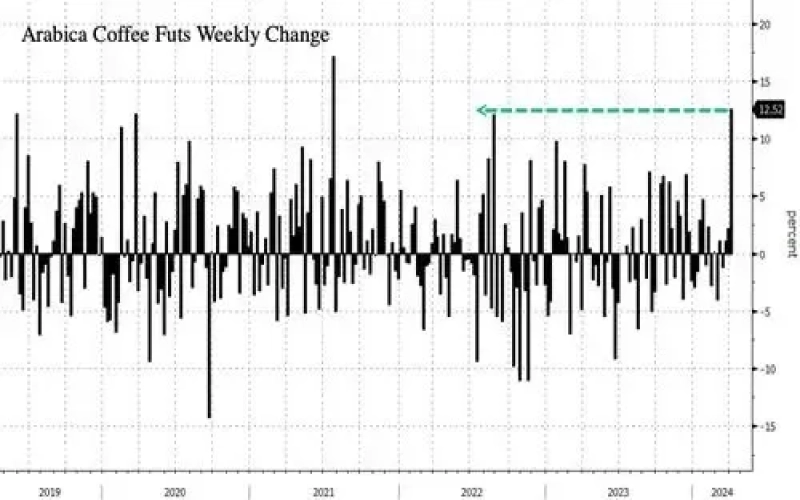
Robusta Futures Approach the $4,000 Mark as Extreme Weather and Geopolitical Risks Weigh Heavily on Coffee Supply
The global coffee market is once again experiencing price fluctuations. Arabica and Robusta coffee futures have rebounded after a brief decline, with the July 2024 Robusta contract touching $3,975 per tonne at one point, approaching the psychological threshold of $4,000. Behind this rally are not only tightening supply caused by ongoing droughts in Brazil and Vietnam, the two major producing countries, but also the new threat potentially posed by La Niña weather, while tensions between Israel and Iran have added further uncertainty to transportation costs. Local traders in Vietnam are accelerating their rush to buy coffee beans, with purchase prices having soared to more than 110 million Vietnamese dong per tonne, while Brazilian Robusta spot prices have also broken through the 1,000 reais mark for the first time. With multiple factors intertwined, coffee prices may continue to face pressure in the short term. [more…]
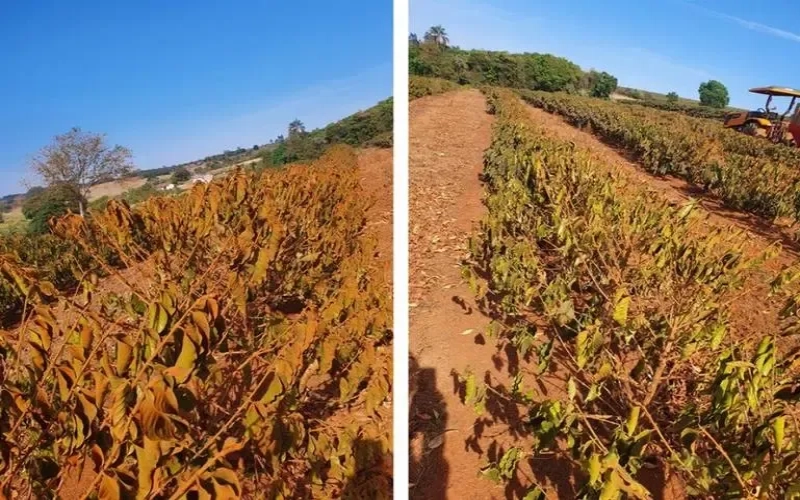
Robusta Futures Approach the $4,000 Mark: Vietnam Drought and Dry Weather in Brazil Continue to Pressure Supply
In April of this year, robusta coffee futures soared to a historic peak of $4,399 per ton, then briefly fell back to $3,440 per ton due to recovering export data from Brazil and Vietnam and rising ICE inventories. However, recently, weather issues in Brazil and Vietnam have shown no signs of improvement, and robusta futures for July delivery have surged again, currently quoted at $3,917 per ton, just a step away from the $4,000 mark. A Volcafe report predicts that Vietnam's robusta production for the 2024/25 season may drop to 24 million bags, the lowest in 13 years; Brazil's main producing regions have gone four consecutive weeks without rain, and new beans are smaller in size; the market is also concerned about the return of La Niña. With multiple factors overlapping, global robusta bean supply is expected to face a shortage for the fourth consecutive year. [more…]